.png)

Meta Description: How long do self-adhesive mosaic tiles last? Learn the real lifespan, key durability factors, and tips to make your peel and stick mosaic tiles last longer.
If you’re considering peel and stick mosaic tiles for a kitchen backsplash or bathroom makeover, one of the first questions you’ll ask is: how long do self-adhesive mosaic tiles actually last? It’s a fair question — tiling is an investment, and you want to know what you’re getting for your money.
The short answer: quality self-adhesive mosaic tiles typically last 5 to 10 years in normal home conditions, with premium products lasting 15 to 25 years under ideal circumstances. But the real lifespan depends heavily on product quality, installation environment, and how well they’re maintained.
Average Lifespan of Self-Adhesive Mosaic Tiles
The lifespan of peel and stick mosaic tiles varies considerably depending on material quality and use case.
Entry-level PVC / vinyl peel and stick mosaic tiles typically last 3 to 5 years. These are best suited for low-traffic areas or temporary decorative use, such as accent walls in rental apartments.
Mid-range aluminum composite self-adhesive mosaic tiles offer a lifespan of 5 to 10 years and represent the most popular option on the market today, balancing cost and durability effectively.
Premium glass or natural stone peel and stick mosaic tiles can last 10 to 25 years when correctly installed and properly maintained — approaching the performance of traditionally grouted tile in many applications.
It’s worth noting that these figures apply to standard residential use. In high-heat, high-humidity, or chemically aggressive environments, actual lifespan may be significantly shorter.
5 Key Factors That Affect Self-Adhesive Mosaic Tile Lifespan
1. Product Quality and Material
Product quality is the single most important factor in determining self-adhesive mosaic tile durability. Adhesive thickness, backing formulation, and face material quality all directly influence long-term performance. High-quality products use industrial-grade pressure-sensitive adhesive (PSA) that maintains strong bonding under temperature and humidity fluctuations. Budget products often use thin adhesive layers that begin to lift or peel within a few years.
When shopping, prioritize brands with clear warranty commitments and third-party certifications such as ASTM or CE standards.
2. Surface Preparation
Even the highest-quality peel and stick mosaic tiles will underperform on a poorly prepared surface. The most critical factors include:
- Surface smoothness — textured, rough, or masonry surfaces dramatically reduce adhesive contact area
- Surface cleanliness — grease, dust, or cleaning product residue prevents proper bonding
- Moisture level — damp walls or recently painted surfaces accelerate adhesive failure
- Paint type — matte latex paint offers the best adhesion; gloss finishes and non-stick coatings significantly reduce grip
Always clean the surface thoroughly and allow it to dry completely before installation for the best long-term results.
3. Environment and Temperature / Humidity
The installation environment has a major impact on how long peel and stick mosaic tiles last. Key scenarios to consider:
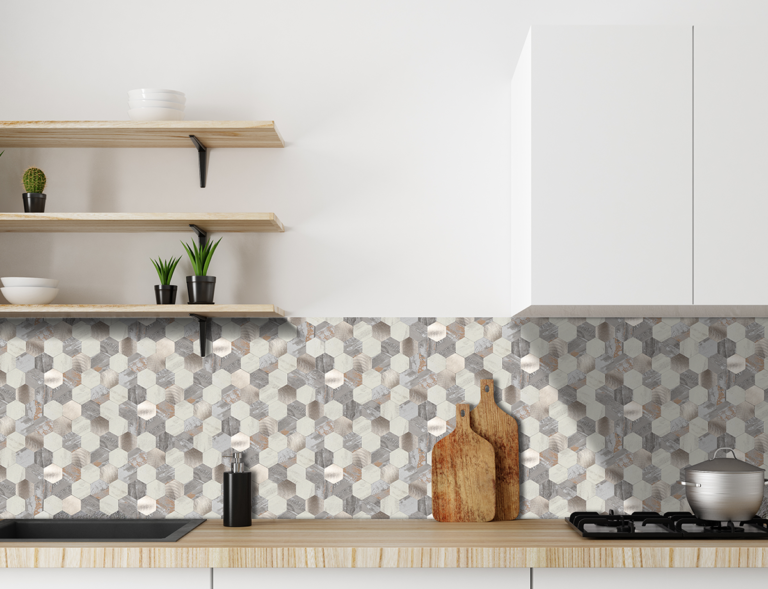
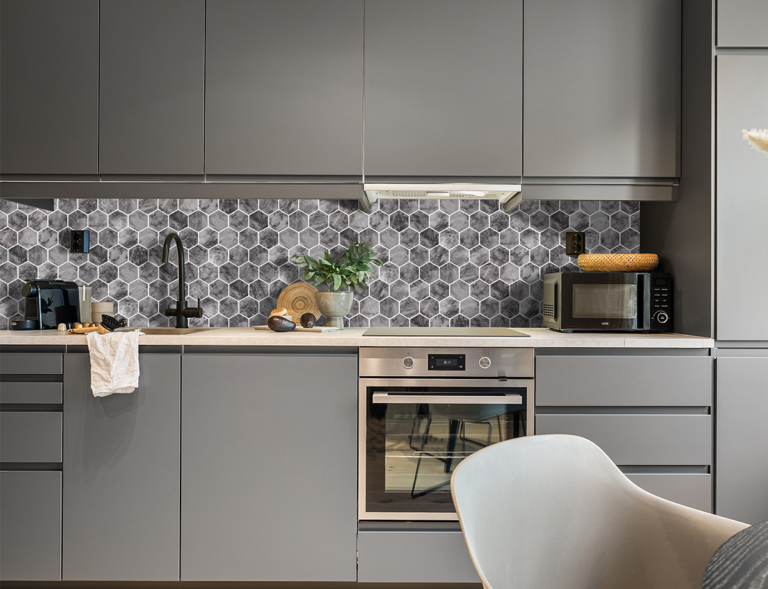
Kitchen backsplash (near a gas stove): Sustained heat exposure can soften adhesive over time. Maintain at least 30 cm of distance from open flame burners, or opt for products with a higher heat-resistance rating.
Bathroom walls (non-shower areas): Suitable for use, provided ventilation is adequate and walls are not continuously saturated with moisture.
Shower enclosures: Not recommended for standard peel and stick mosaic tiles. Continuous water exposure will degrade the adhesive bond relatively quickly.
Outdoor or balcony surfaces: Not recommended. UV exposure and temperature fluctuations accelerate deterioration significantly.
4. Installation Technique
Correct installation technique can significantly extend the lifespan of self-adhesive mosaic tiles. Key steps that make a real difference:
- After pressing tiles onto the surface, use a rubber roller or firm squeegee to apply even pressure from the center outward, maximizing adhesive contact
- Apply clear silicone sealant along edges and seams to prevent moisture from working underneath
- Install at temperatures between 15°C and 35°C — extreme cold or heat affects initial adhesive performance
- Allow at least 24 hours before exposing newly installed tiles to moisture or cleaning
5. Cleaning and Maintenance Habits
Incorrect cleaning is one of the most common causes of premature failure in self-adhesive mosaic tiles. Avoid cleaners containing alcohol, acetone, or strong acids and alkalis — these can dissolve or degrade the adhesive layer over time. Use a pH-neutral cleaner with a soft microfiber cloth for daily maintenance, and avoid flooding the surface with water or using high-pressure steam cleaners.
Self-Adhesive Mosaic Tiles vs Traditional Tiles: Lifespan Comparison
In terms of absolute lifespan, traditionally grouted mosaic tiles still hold the advantage — a professional installation can easily last 20 to 50+ years. But this doesn’t mean self-adhesive mosaic tiles are always the inferior choice.
For renters, budget-conscious homeowners, or those who enjoy updating their décor regularly, a 5 to 10-year lifespan is more than sufficient — while saving substantially on labor and materials. From a total cost of ownership perspective, premium peel and stick mosaic tiles are often the more economically rational choice for many applications.
Signs That Your Self-Adhesive Mosaic Tiles Need Replacing
Watch for these signs that your self-adhesive mosaic tiles may need repair or replacement:
- Visible lifting or peeling at corners or seams, indicating adhesive failure
- Bubbling or blistering on the tile surface, suggesting localized delamination
- Persistent mold or discoloration after cleaning, which may indicate moisture infiltration beneath the tiles
- A noticeably loose or hollow feel when pressing on tiles, suggesting overall bond deterioration
The good news: replacing peel and stick mosaic tiles is far simpler than removing traditional tile. In most cases, you simply peel away the old tiles, clean the surface, and apply new ones — no specialist tools or contractors required.
5 Practical Tips to Make Your Self-Adhesive Mosaic Tiles Last Longer
- Choose a quality product — look for brands with verified warranties and authentic user reviews
- Prepare the surface properly — clean, dry, and smooth walls are the foundation of a long-lasting installation
- Seal the edges after installation — clear silicone sealant at seams and edges is a simple step that dramatically extends tile life
- Avoid extreme environments — keep tiles away from sustained heat, constant moisture, or outdoor exposure
- Use gentle cleaning products — pH-neutral cleaners protect both the tile surface and the adhesive backing
Frequently Asked Questions
Can self-adhesive mosaic tiles be used in a bathroom?
Self-adhesive mosaic tiles are suitable for bathroom walls outside of the shower zone — such as behind a vanity or on a feature wall. With good ventilation and no sustained water contact, they can perform well for years. They are not recommended for shower enclosures or floor areas with regular water exposure.
Can peel and stick mosaic tiles be used on floors?
Some products are rated for floor use, but overall wear resistance is lower than traditional floor tiles. They are more suitable for low-traffic areas such as bedrooms or dressing rooms. High-traffic zones such as hallway floors or kitchen floors are not recommended.
Can self-adhesive mosaic tiles be re-stuck after peeling?
It depends on the condition of the adhesive. If the backing still has residual tack, clean the surface and re-press firmly. If the adhesive has fully failed, replacing the tile or using a supplementary tile adhesive is a better solution.
Which material has the longest lifespan for self-adhesive mosaic tiles?
Generally, glass and natural stone self-adhesive mosaic tiles outlast PVC or vinyl alternatives. The face material is inherently more durable, and these products typically use higher-grade adhesive formulations as well.
Are self-adhesive mosaic tiles suitable for rental apartments?
Absolutely — this is one of their strongest selling points. Peel and stick mosaic tiles can be removed cleanly from smooth, painted walls without causing damage, making them ideal for renters who want to personalize their space without violating lease terms.
Looking for premium self-adhesive mosaic tiles that stand the test of time? Browse our full collection — glass, stone, and metallic finishes available, backed by quality you can trust.